
Capacity Planning Is a Leadership Discipline
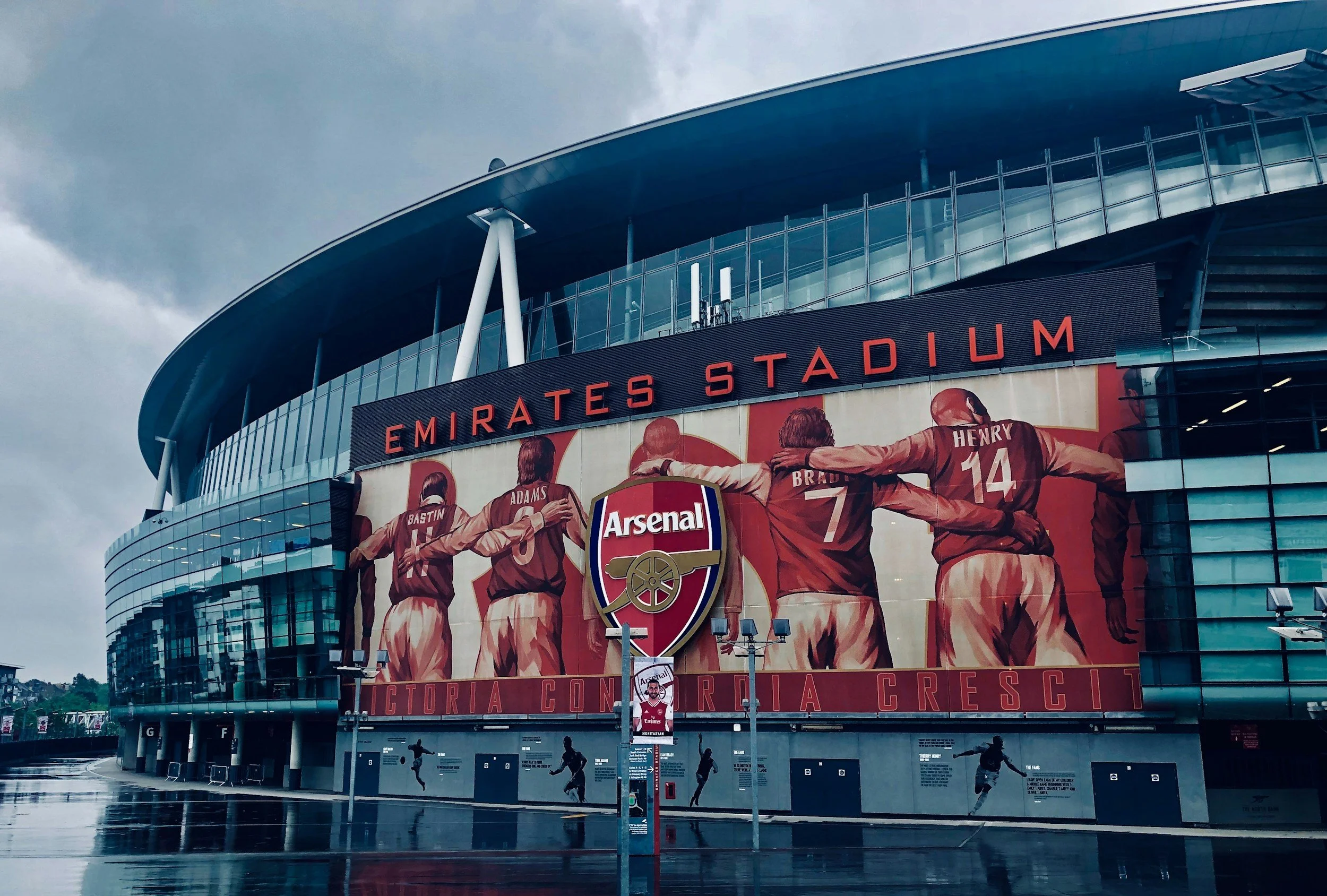
Watching Arsenal finally win the Premier League this week after so many years of rebuilding felt like an interesting reminder of something we see often in business.
From the outside, success can look sudden. In reality, it is usually the result of years spent building the underlying structure, discipline, and capacity required to perform consistently under pressure.
For several seasons, Arsenal looked close but not quite ready. The ambition was there. The talent was there. What changed over time was the depth of the organisation around the team. Squad depth improved, leadership matured, systems became more resilient, and the club developed the ability to sustain performance across a long and demanding season.
Growing businesses experience something very similar.
Many leadership teams focus heavily on growth targets, new opportunities, and commercial momentum. Far fewer spend enough time thinking about whether the operational capacity of the business is evolving at the same pace.
That gap eventually creates pressure.
Teams become stretched, decision-making slows, and execution becomes inconsistent. Often, this does not happen because people are underperforming. It happens because the business has outgrown the structure supporting it.
Capacity planning is not simply a staffing exercise. It is a leadership discipline.
It requires leaders to think ahead about:
how complexity will increase
where pressure points are likely to emerge
what capabilities the business will need next
whether current systems and operating rhythms can support future growth
The businesses that scale most effectively tend to address these questions before strain becomes visible.
Much like elite sport, sustainable performance in business rarely comes from ambition alone. It comes from building the depth, clarity, and operational resilience required to perform consistently over time.